Article Library
Effect of Diet on Prostate Health
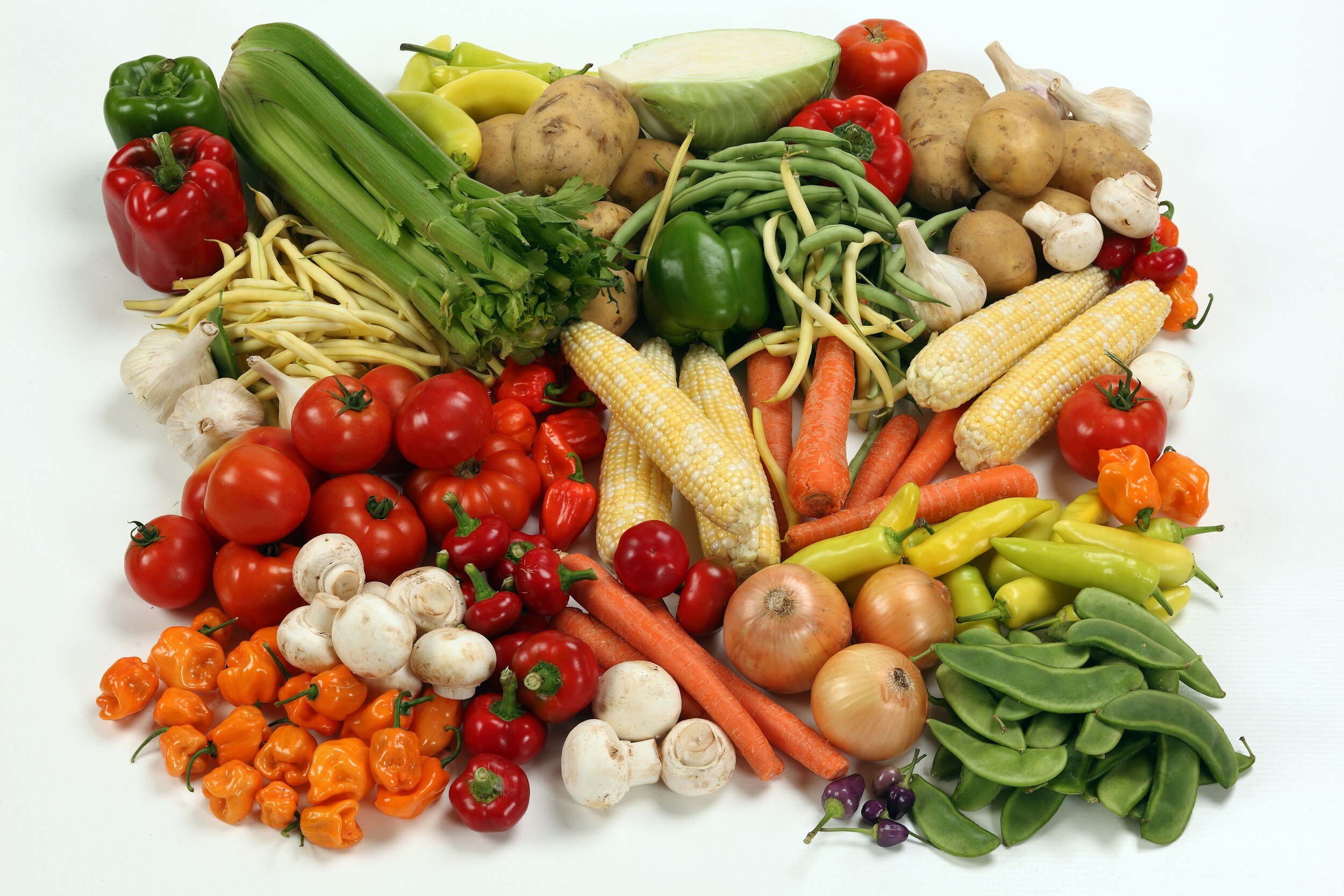
A recent Medscape headline caught my eye, “Plant-Based Diet a Boon for Men with Prostate Cancer” [1]. The original article, published in a current edition of the journal Cancer, examined the effects of a plant-based dietary pattern on quality of life among men diagnosed with prostate cancer [2]. The authors explained that a plant-centered dietary pattern consists of fruits, vegetables, legumes, nuts, and whole grains with low animal protein intake.
Vitamin Culture Part I: The Intriguing History of Vitamins
How many times have you heard that taking a daily vitamin is very important for your health? Vitamins are considered a dietary supplement, often marketed with the assumption that ordinary diets are gravely deficient.

Food Enrichment and Fortification
Vitamins and supplements have an intriguing past that plays a role in our health decisions. Not only are they available in pill form, but they also are added to the food supply. Fortification and enrichment are two words often found on packaged foods. During manufacturing, vitamins are removed due to the effects of heat, light, and temperature because of processing. The stability and long shelf-life require food to be stripped of its nutritional value.

America’s Favorite Beverage Debate and the Relation to Bone Health
Coke or Pepsi? This is perhaps one of the most widely debated questions when considering America’s beverage options. The Pepsi Challenge, which originated nearly a half century ago in 1975, posed a great choice to consumers when offering a blind taste test across the country to determine which soda was preferred.

Expectations on Aging
How many times do you feel bound to or limited by your age? Robson states that one’s belief in the aging process contributes to long-term well-being. This includes negative feelings about retirement, worrying about getting sick, and being fixated on every body ache.

Mindset Matters
Mindset truly matters! Expectations, beliefs, education, and upbringing can shape the course of our health and dictate one’s life journey. Often by refocusing our outlook, attitudes and awareness, we can change our health direction if we so desire.

Effect of Patient Flow in Healthcare
Why is patient flow so important? According to one author [1], inefficient flow leads to poor patient outcomes, including increased risk of death. Among the causes are inadequate communication among staff, long wait times, patients leaving without waiting, extended patient stays, and boarding patients (the term for admitting patients although no bed is available).

The Magic Feather and the Placebo Effect
Recently I finished reading a book called The Magic Feather Effect: The Science of Alternative Medicine and the Surprising Power of Belief by Melanie Warner. The book was titled in reference to the magic feather given to Dumbo by Timothy Q. Mouse.

The Power of the Mind in Healing
In her book The Magic Feather Effect, author and journalist Melanie Warner investigates alternative healing [1]. She observes and interviews different patients and practitioners with respect to acupuncture, energy healing, chiropractors, and more. Warner raises the point that healing can happen in numerous ways.
The Gut Microbiome and the Influence of Non-Antibiotic Medication
In a previous article, I discussed the profound effects that antibiotics have on the gut microbiome. Other medications greatly influence the microbiota, as well. One of the most widely-used medications is the proton pump inhibitor (PPI). In fact, in 2013 esomeprazole (Nexium, also known as “the purple pill”) was the second largest revenue-making drug in the United States.

Why should antibiotic stewardship be important to the patient?
According to the Centers for Disease Control and Prevention (CDC), antibiotics have advanced medical care by treating previously known fatal conditions and extending life. Yet, the inappropriate use of these medications can contribute to antibiotic resistance, adverse risks (like C. diff), longer hospital stays, higher medical costs, and negatively affect population health [1]. In fact, antibiotic resistance can be a factor to medical harm, causing 2 million infections and 23,000 deaths annually [2]. Judicious use of antibiotics is therefore important, yet the CDC relates that 30% of prescribing in both inpatient and outpatient settings are not necessary [1, 2].

Gut Microbiome and Mental Health
The relationship between the body and the trillions of bacteria and other microbes it harbors is extremely complex and continues to be discovered. A high diversity of microbes is beneficial to the body and is characteristic of a resilient environment. On the other hand, low diversity can contribute to disease. This can be related to poor diet, antibiotics, obesity, stress, and other factors [1]. The gut microbiome (the term for the abundance of microorganisms and their environment) can plan a role in mental well-being, in addition to physical health.

Tipping the Balance of Fat
High fat diets are, for the most part, a big part of American meals. At breakfast, eggs, bacon, and sausage are enjoyed. In the nice weather, people grill large steaks and burgers. When eating dessert, ice cream is an undeniable favorite. Although these foods are largely part of life, they are comprised of high amounts of fat. Fat is a requirement of the body, and is needed for fuel and energy storage, cell membranes, and synthesizing other molecules. Yet what happens if it is consumed in excess?

New Changes with Weight Assessment
Earlier this summer the American Medical Association (AMA) advised that body mass index (BMI), a value calculated from a person’s height and weight, should not be the sole factor in deciding if a patient has a healthy weight. The problem with relying heavily on BMI is that it neglects the direct measurement of body fat.

Informed decision-making: Be empowered!
Ethics are a moral code that guides the conduct of healthcare professionals. There is a duty to the patient to avoid or minimize harm, as well as respect patient preferences [1]. The four fundamental principles of ethics include beneficence, nonmaleficence, justice, and autonomy. In addition to these are veracity (truth-telling) and confidentiality. These pillars keep the patient at the forefront of care.
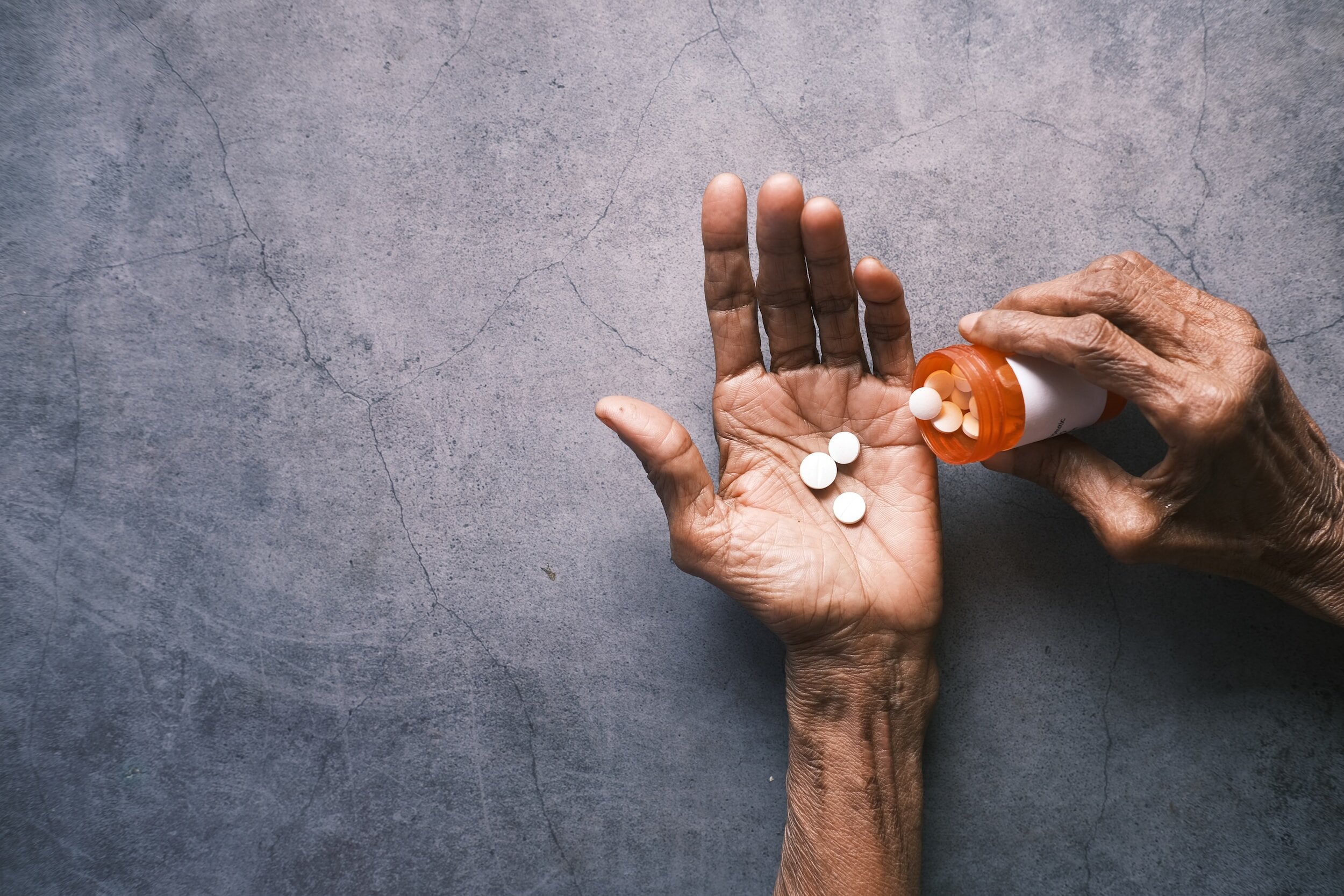
Prescription use among senior adults
Taking medications seems like a very natural responsibility as part of aging. In fact, most seniors take a prescription drug. Adults over 65 are the largest age group to take medications, due to the amount of health concerns that people acquire [1].

The Road of the Childhood Obesity Epidemic: What Are Some Culprits?
With rising childhood obesity, many concerns are raised on the nutritional intake of the younger population. Looking back to 2010, the White House created a task force to solve this very issue. The plan included a strategy, benchmarks, and a goal to end childhood obesity within a generation.

Living life well: Healthspan vs. lifespan
On the Joy in Whole Health Facebook page, I shared an article titled “Healthspan may be more integral to your well-being than lifespan” [1]. The authors explained that while lifespan refers to the total number of years lived, healthspan encompasses the number of years lived without a debilitating disease.

Feet: The foundation of health
Feet are so incredibly important to whole health and quality of life. Approximately one-third of seniors report foot problems [1], which is a big reason for seeking healthcare among the elderly. Such reported issues are related to falls, balance, mobility, skin and nail hygiene, foot deformities, wounds, pain, and ramifications from poorly fitting shoes.